Got questions? We've got answers.
Explore our pro-life resources:














Get Inspired by Our Living a Culture of Life Podcast
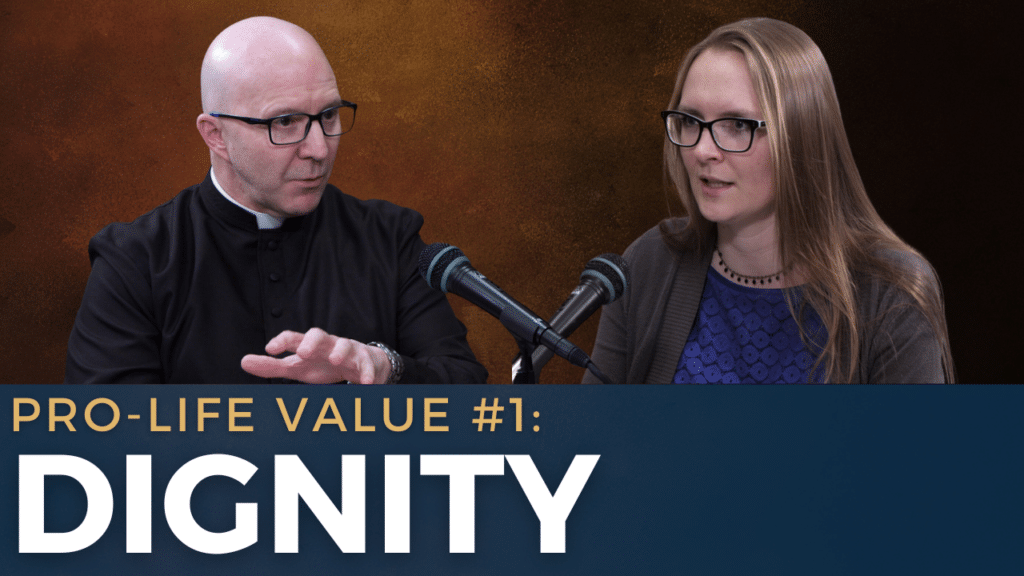
Human dignity is fundamental to Christian ethics. But what is human dignity? Can it ever be lessened or taken away? On this episode, Fr. Shenan Boquet unpacks the Dicastery for the Doctrine of Faith’s newest document on human dignity. Dignitas…
Watch or Listen Now

Human dignity is fundamental to Christian ethics. But what is human dignity? Can it ever be lessened or taken away? On this episode, Fr. Shenan Boquet unpacks the Dicastery for the Doctrine of Faith’s newest document on human dignity. Dignitas…
Watch or Listen NowStay Informed with Our Spirit and Life Blog:
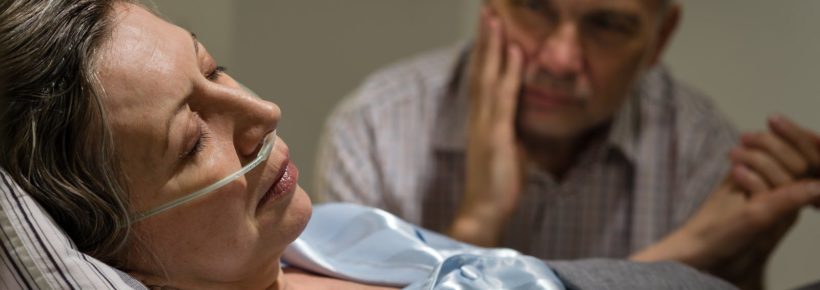
“From the very beginning, the Church has known how to accompany the dying. How many priests and religious men and women have spent hours with persons who were at the end of life? At the end of their earthly journey, men do not need a cold, death-dealing syringe. They need a compassionate, loving hand.” Cardinal Robert Sarah, The Day is Now Far Spent A few days ago, the French Minister of Labour, Health and Solidarity, Catherine Vautrin, introduced a bill into the French Parliament that would legalize assisted suicide. The bill is supported by French President Emmanuel Macron. Naturally, the…


“From the very beginning, the Church has known how to accompany the dying. How many priests and religious men and women have spent hours with persons who were at the end of life? At the end of their earthly journey, men do not need a cold, death-dealing syringe. They need a compassionate, loving hand.” Cardinal Robert Sarah, The Day is Now Far Spent A few days ago, the French Minister of Labour, Health and Solidarity, Catherine Vautrin, introduced a bill into the French Parliament that would legalize assisted suicide. The bill is supported by French President Emmanuel Macron. Naturally, the…
Support Our International Mission
We train local leaders to make a lasting impact in their communities, teaching the beauty of chastity so that abortion can be pulled out by its roots.